




![settings.logos[0].icon](https://sigi-jordan25.s3.eu-central-1.amazonaws.com/877993618407682.png)

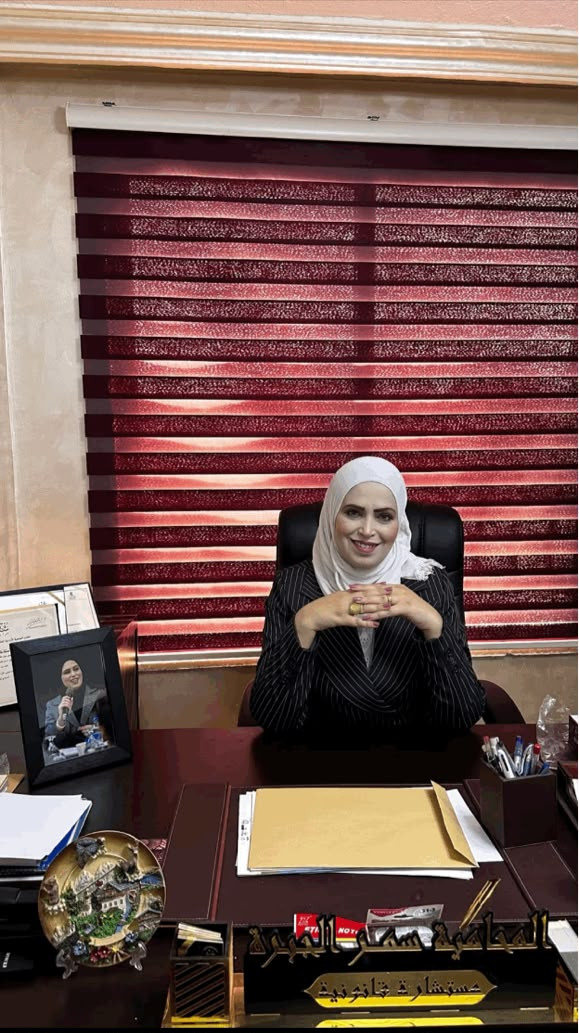
By Ms. Samar Al-Jabara
On October 2nd each year, the world observes the International Day of Non-Violence. As with other international occasions, the question is always whether such an occasion truly deserves to be celebrated. Are we really living within an international system free from violence?
Does nonviolence mean remaining silent in the face of injustice or surrendering? Or does it mean confronting injustice without reproducing it, and defending our rights without taking away the rights of others?
The most important question remains: What does it mean to talk about nonviolence while there are children who hear the sounds of bombardment instead of the voices of the school morning broadcast? When we talk about a culture of nonviolence, our principles must not become selective. We cannot reject violence when it is close to us while turning a blind eye when it is inflicted upon another people.
Nonviolence means rejecting the use of violence as a means of resolving disputes or dealing with others. If international law was established to protect human rights at times when they are most in need of protection, where do we stand in relation to the principles and rules of this law?
A culture of nonviolence begins within the family, through the way children are raised to resolve conflicts without resorting to hitting, humiliation, or bullying.
It begins when we raise our children to embrace peaceful coexistence and acceptance of others. It then moves from the family to society—to the streets, schools, and workplaces—and eventually to the entire world through social media. The virtual space is no less important than the physical one. A written sentence can leave a psychological impact on another person just as a spoken one can. Posts involving bullying, blackmail, and hate speech are no longer merely passing messages; their effects can turn into painful realities in the lives of others.
Therefore, if we are to promote a culture of nonviolence at all levels, we must first reconsider our understanding of strength. True strength lies in the ability to disagree without insulting others, to experience anger without causing harm, to demand our rights without violating the rights of others, and to turn to the law instead of resorting to violence.
Nonviolence does not mean giving up our rights. Rather, it means knowing how to defend them without losing our humanity. If we genuinely want to commemorate this International Day, we must make dialogue the language of the family and society. We must all respect the rule of law, promote a culture of respecting different opinions and peaceful coexistence, and recognize that differences in opinion do not have to destroy our relationships.
We must also work to eliminate the concepts and practices of violence directed against vulnerable groups. Indeed, there should be no categorization of people as “vulnerable”; we are all equal despite differences in our physical abilities.
For a culture of nonviolence to prevail, every child, everywhere in the world, must live in peace within a loving family that embraces and raises them with kindness and respect, and within a safe and stable state free from hunger, fear, and forced displacement; free from wars, conflicts, crises, and disasters; and within an environment free from all forms of violence.
Only then can all the world’s children enjoy peace, and only then can we truly celebrate an International Day of Non-Violence based on shared and universal standards.


